Breathing for Calm, Safety, and Support
Nasal and Diaphragmatic Breathing in Pilates and Somalates®
Breathing is something we do automatically, thousands of times a day, yet few of us are ever taught how to breathe in a way that truly supports our body and nervous system. In Pilates and Somalates®, breath is not an afterthought — it is a foundational tool for cultivating strength, ease, and a felt sense of calm and safety.
Nasal and diaphragmatic breathing offer a powerful, accessible way to support the nervous system, reduce stress responses, and create the internal conditions needed for mindful movement. When breath and movement are integrated with awareness, the body is gently guided out of survival mode and into a state where healing, learning, and connection can take place.
Why Breath Matters More Than We Think
The breath is one of the few bodily functions that operates both automatically and consciously. This makes it a unique bridge between the mind and the nervous system. How we breathe sends constant signals to the brain about whether we are safe or under threat.
Shallow, rapid breathing — often through the mouth — tends to accompany stress, anxiety, pain, and fatigue. Over time, this pattern can reinforce a heightened stress response, keeping the body on alert even when no immediate danger is present.
In contrast, slow nasal breathing that allows the diaphragm to move freely sends a very different message: you are safe enough to soften. This shift has measurable effects on heart rate, hormone regulation, and emotional state.
Nasal Breathing: The Gateway to Regulation
Breathing through the nose is one of the simplest ways to support nervous system balance. The nasal passages warm, filter, and humidify the air, but they also play a role in regulating breathing rhythm and efficiency.
Nasal breathing naturally encourages slower, deeper breaths and stimulates receptors linked to the vagus nerve — a key pathway in the parasympathetic “rest and digest” response. This is why nasal breathing is so often associated with feelings of calm, clarity, and groundedness.
In Pilates and Somalates®, nasal breathing supports:
Improved oxygen exchange
Reduced breath rate and heart rate
Greater focus and proprioception
A sense of internal containment and safety
For many people, simply returning to nasal breathing during movement can feel like coming home to themselves.
Diaphragmatic Breathing: Restoring Natural Movement
The diaphragm is our primary breathing muscle, yet stress, posture, and habitual tension can limit its natural movement. When the diaphragm is restricted, breathing often shifts upward into the chest and neck, recruiting muscles that were never meant to manage respiration long-term.
Diaphragmatic breathing allows the breath to travel lower into the body. As you inhale, the diaphragm gently descends and the abdomen softens outward. As you exhale, the diaphragm recoils and the abdomen returns. This movement is subtle, rhythmic, and deeply calming.
In a regulated system, diaphragmatic breathing:
Reduces activation of stress hormones such as cortisol
Supports healthy regulation of the autonomic nervous system
Improves coordination between breath and movement
Creates a sense of internal space and ease
Rather than forcing the breath or “pushing the belly out,” Somalates® encourages allowing the breath to emerge naturally, guided by awareness rather than effort.
Breath, Safety, and the Nervous System
From a somatic perspective, feelings of calm are not created by positive thinking alone — they arise when the body feelssafe. Breath is one of the fastest ways to influence this perception of safety.
When breathing is slow, nasal, and diaphragmatic, the nervous system receives cues that threat has passed. This supports the downregulation of the stress response and allows the body to shift into a state associated with rest, digestion, repair, and emotional processing.
This is particularly relevant for individuals who experience:
Night-time waking with a racing heart or tight chest
Chronic tension or fatigue
Heightened anxiety or overwhelm
Hormonal transitions such as perimenopause or menopause
In these states, the body is often not “overreacting” — it is responding to internal signals of stress. Breathwork becomes a way of communicating reassurance to the system.
Breathing in Pilates and Somalates®
In classical Pilates, breath supports movement efficiency, spinal organisation, and core engagement. In Somalates®, breath also becomes a tool for listening.
Rather than directing the breath rigidly, we explore questions such as:
Where does my breath want to move today?
What changes when I slow it down?
Can I allow my breath to support ease rather than effort?
This inquiry-based approach allows breath to become an anchor for presence. Movement becomes less about control and more about coordination between intention, sensation, and response.
Over time, this can help retrain habitual patterns of holding, bracing, or rushing — patterns that often originate in the nervous system rather than the muscles themselves.
A Simple Somalates® Breathing Practice
You may wish to explore this gentle practice before or after movement, or as a standalone pause in your day.
Find a comfortable position — lying down or seated with support
Place one hand over the lower ribs or abdomen, the other resting wherever feels soothing
Gently close the mouth and allow the breath to enter through the nose
Notice the breath without changing it at first
Gradually invite the inhale to soften the lower ribs and belly
Allow the exhale to be slow and unforced, as though the body is sighing internally
There is no need to count or control. The intention is to feel the breath rather than perform it.
Even a few minutes of this practice can help settle the nervous system and create a greater sense of internal safety.
The Science Behind Slow, Diaphragmatic Breathing
A growing body of research shows that slow, diaphragmatic breathing is associated with:
Reduced cortisol levels
Improved heart rate variability
Decreased inflammation markers
Enhanced emotional regulation and attention
These effects are linked to the breath’s influence on the parasympathetic nervous system and the hypothalamic–pituitary–adrenal (HPA) axis, which plays a central role in stress hormone regulation.
While the mechanisms are complex, the lived experience is often simple: people feel calmer, clearer, and more grounded.
Breathing as an Act of Self-Care
In a culture that values productivity and pushing through, learning to breathe with awareness can feel surprisingly radical. Yet it is one of the most accessible ways to support wellbeing — no equipment required, no performance expected.
In Pilates and Somalates®, breath is not about fixing or forcing the body. It is about creating the conditions where strength, mobility, and calm can emerge naturally.
Each mindful breath is a quiet reminder to the nervous system: you are safe enough to soften, to feel, to move with ease.
And sometimes, that is exactly what the body has been asking for all along.
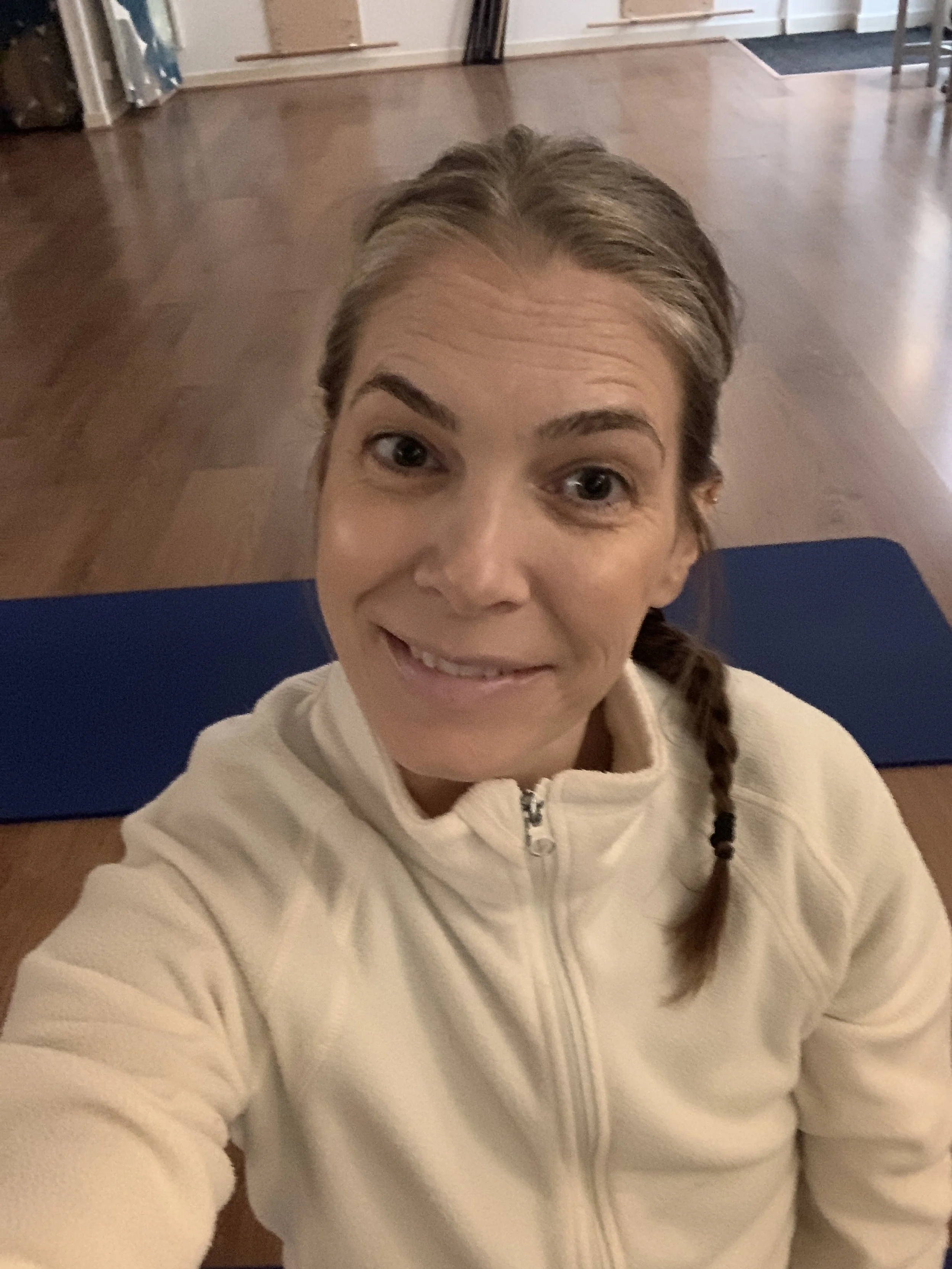
Tracy Richardson MSc is a movement and wellness specialist with a love for helping people reconnect with their bodies and minds. With a background in therapy, Pilates, and holistic wellbeing, she combines evidence-based practice with a nurturing, mindful approach. Tracy’s mission is to empower individuals to move with awareness, release tension, and cultivate sustainable health, strength, and inner calm. When she’s not teaching or writing, you’ll often find her walking her dog, practising Pilates, or sipping a calming cup of tea.
