Burnout Recovery for Women Over 40
Many of the women who come to my Pilates and wellness classes tell me the same thing in different ways:
“I’m exhausted, but I can’t switch off.”
“I feel like I’m running on empty.”
“I don’t know why everything feels so hard now.”
If you’re over 40 and feeling burnt out, you’re not imagining it and you’re certainly not alone.
Burnout in midlife often looks different from the stress we experienced in our twenties or thirties. Back then, we could push through, keep going, and bounce back quickly. Now, the same pace can leave us feeling completely drained, emotionally flat, or overwhelmed by things that never used to affect us.
There are real reasons for this.
Hormonal changes during perimenopause and menopause can affect sleep, mood, energy levels, and how our nervous system responds to stress. Add to that the mental load many women carry work, family, caring for others, running a home, supporting ageing parents and it’s no surprise the body eventually says, “enough”.
Burnout isn’t a weakness.
It’s often a sign that your body has been coping for a very long time without enough rest, support, or space to recover.
One of the biggest mistakes I see high-achieving, capable women make is trying to fix burnout by doing more. More exercise, more productivity, more pressure, more self-criticism. But burnout recovery usually needs the opposite.
Your nervous system needs to feel safe again before it can feel energised.
This is why gentle, mindful movement like Pilates can be so helpful during burnout recovery. Instead of pushing the body harder, we focus on slow, controlled movement, breathing, and reconnecting with muscles that support posture and stability. This helps signal to the nervous system that it’s okay to come out of constant fight-or-flight mode.
Rest is also part of recovery even if it feels uncomfortable at first. Many women tell me they don’t know how to relax anymore, or they feel guilty when they slow down. That’s a very common response when you’ve been in survival mode for a long time.
Burnout recovery isn’t about becoming less capable.
It’s about learning how to support your body so you don’t have to run on empty.
Small things help more than you might think:
slowing your breathing,
moving gently,
getting outside,
saying no more often,
and giving yourself permission not to hold everything together all the time.
If you’re in this stage of life, be kind to yourself.
Your body isn’t letting you down it’s asking for a different way forward.
Share This post:
📩 Join The Refuel Newsletter
If you’d like tips, support and a weekly Pitstop to refuel, delivered without noise or trends… join The Refuel.
Each week, I share practical tools to help you move well, recover better, and support your body through change.
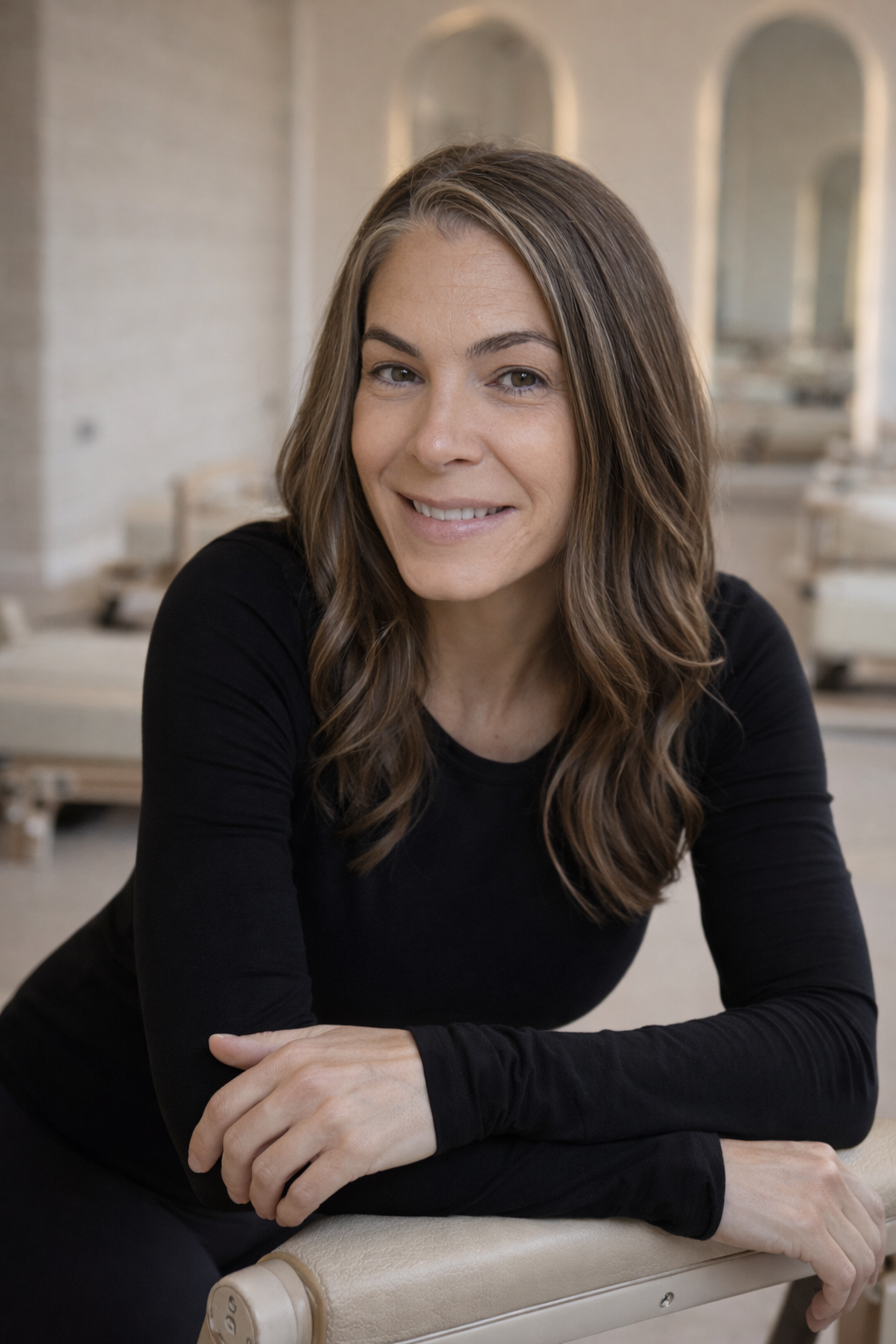
Tracy Richardson MSc is a movement and wellness specialist with a background in therapy, Pilates, and wellbeing, she combines evidence-based practice with a nurturing, mindful approach. Tracy’s mission is to empower individuals to move with awareness, release tension, and cultivate sustainable health, strength, and inner calm. When she’s not teaching or writing, you’ll often find her walking her dog, practising Pilates, or sipping a calming cup of tea.
