

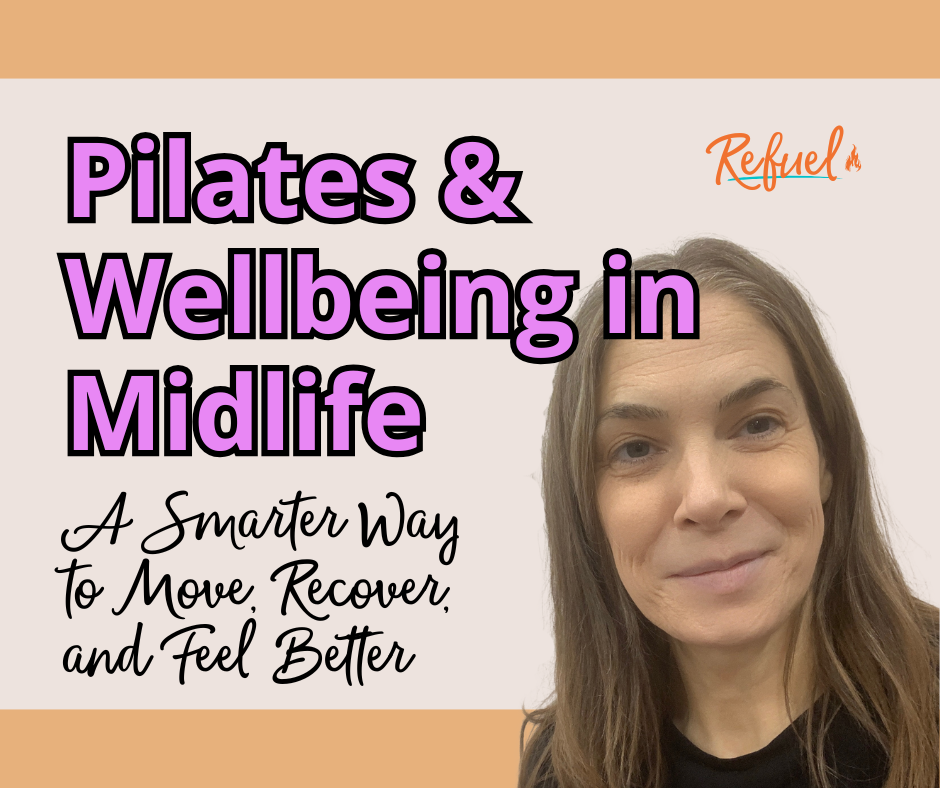
Pilates and Wellbeing in Midlife
A Smarter Way to Move, Recover, and Feel Better
Pilates is well known for improving strength, posture, and flexibility, but if that’s all we think it does, we’re missing the bigger picture.
Especially in midlife, Pilates is doing so much more behind the scenes.
Rather than pushing the body harder or leaving you exhausted, Pilates works with your body, supporting your nervous system, joints, muscles, and energy levels in a way that feels sustainable.
For women in their 40s and beyond, when hormones shift, recovery takes longer, and stress hits differently, Pilates offers a way to feel stronger and more balanced without adding more strain.
Wellbeing Is More Than “Not Being in Pain”
Wellbeing isn’t just about avoiding injury or feeling pain-free. It’s about how well your body can cope with everyday life, stress, movement, rest, and recovery.
This ability to adapt is influenced by:
How calm or stressed your nervous system is
Hormonal changes (especially in perimenopause and menopause)
The health of your joints and connective tissues
How well your body produces and uses energy
Pilates gently supports all of these areas.
Instead of overloading the body, Pilates helps it respond better, which is why it often feels restorative rather than draining.
Pilates Calms the Nervous System (Not Just the Muscles)
Every Pilates class is also a nervous system reset.
The slow, controlled movements, focus on alignment, and steady breathing help move the body out of “fight or flight” mode, the stressed, rushed state many of us live in, and into a calmer, more balanced one.
This can support:
Better stress control
Improved sleep
More emotional steadiness
Feeling less tense and reactive
Unlike high-intensity workouts, Pilates strengthens the body without overwhelming it, which is especially important when hormones are fluctuating and stress tolerance is lower.
Supporting Joints, Fascia, and Collagen
As we age, our joints and connective tissues naturally change. Many women notice more stiffness, aches, or a feeling of being “tight” even if they’re active.
Pilates helps by:
Moving joints through healthy ranges of motion
Gently loading muscles and tissues in different directions
Improving circulation and hydration of connective tissue
Reducing unnecessary tension and gripping
This supports not just pain relief, but long-term joint health and freedom of movement.
Strength Without Excess Inflammation
Some types of exercise leave you sore, inflamed, and wiped out for days. While this can have a place, too much inflammation over time can contribute to fatigue, joint pain, and slower recovery especially in midlife.
Pilates strengthens the body in a way that’s kinder to your system.
It’s particularly supportive if you:
Feel wiped out after intense workouts
Have joint sensitivities
Are navigating perimenopause or menopause
Want consistency without burnout
Breathing That Actually Helps You Relax
Breathing in Pilates isn’t just a cue, it’s a tool.
Learning how to breathe with movement helps:
Reduce tension in the body
Support the spine and core
Calm the nervous system
Improve focus and body awareness
Over time, this can carry into everyday life helping you feel more grounded, less stressed, and more in control of your body.
Why Pilates Often Boosts Energy
Many women say Pilates gives them energy rather than taking it away and this isn’t accidental.
Pilates:
Uses muscles in a sustainable way
Improves circulation and oxygen flow
Avoids the energy crashes that can follow intense workouts
Instead of leaving you exhausted, it often helps you feel more balanced and capable especially when energy levels are already unpredictable.
It Fits Into Real Life
The best movement practice is one you can stick with.
Pilates works beautifully alongside:
Walking
Strength training
Meditation
Lifestyle habits that support sleep and stress
It doesn’t compete with these it supports them by helping your body recover better and move more efficiently.
The Takeaway
Pilates in midlife isn’t about doing more or pushing harder.
It’s about moving in a way that:
Supports your nervous system
Protects your joints
Builds strength without burnout
Helps you feel more at home in your body
Pilates doesn’t force change.
It teaches the body how to respond calmly, efficiently, and sustainably.
📩 Join The Refuel Newsletter
If you’d like tips, support and a weekly Pitstop to refuel, delivered without noise or trends… join The Refuel.
Each week, I share practical tools to help you move well, recover better, and support your body through change.
Tracy Richardson MSc is a movement and wellness specialist with a background in therapy, Pilates, and wellbeing, she combines evidence-based practice with a nurturing, mindful approach. Tracy’s mission is to empower individuals to move with awareness, release tension, and cultivate sustainable health, strength, and inner calm. When she’s not teaching or writing, you’ll often find her walking her dog, practising Pilates, or sipping a calming cup of tea.
