

You don't always need to do more. Sometimes, your body needs you to do a little less.
When did you last stop?
Not because you were exhausted, not because you had finally finished everything on your to-do list, and not because life had forced you to take a break.
But simply because you chose to.
For many of us, particularly women juggling careers, families, relationships, responsibilities and the many demands of everyday life, slowing down can feel surprisingly difficult.
We're so accustomed to being busy that we can start to associate productivity with worth. We squeeze another task into the day, push through tiredness and tell ourselves we'll rest when everything is done.
Except everything is rarely done.
And while we're busy keeping everything else moving, we can forget something incredibly important: our bodies need recovery just as much as they need activity.
Rest isn't laziness. Pausing isn't giving up. And slowing down isn't a sign that you're falling behind.
In fact, making space for recovery is an important part of supporting your long-term health.
1. Your body wasn't designed to be switched on all the time
Our nervous system is constantly responding to information from our internal and external environments.
It helps regulate our heart rate, breathing, digestion, alertness and our responses to potential threats.
The autonomic nervous system includes two key branches:
The sympathetic nervous system: helps prepare us for action, often described as the fight-or-flight response.
The parasympathetic nervous system: supports functions associated with rest, digestion and recovery.
Both are essential. We need to be able to respond to challenges, exercise, work and deal with everyday demands.
The problem isn't experiencing stress. It's when we rarely give ourselves opportunities to recover from it.
Constant demands, insufficient sleep, emotional stress and inadequate recovery can all contribute to feeling overwhelmed and fatigued.
Creating moments of quiet, practising slow breathing and allowing ourselves to step away from stimulation can help support the body's natural regulatory processes.
You don't need an elaborate wellness routine to start.
Sometimes, a few minutes of intentional breathing is a very good place to begin.
2. Rest is part of getting stronger
We often think about exercise as the thing that makes us stronger.
But exercise is the stimulus. Recovery is when your body adapts to that stimulus.
During recovery, your body works to repair and remodel tissues, replenish energy stores and adapt to the demands of physical activity.
Without sufficient recovery, you may find that your performance suffers, fatigue accumulates and exercise feels increasingly difficult.
This is particularly important as we move through midlife.
Maintaining muscle strength, bone health, mobility and cardiovascular fitness becomes increasingly important as we age.
But that doesn't mean pushing harder every day.
A balanced approach includes:
Strength training to maintain muscle and support bone health.
Regular movement to support cardiovascular health.
Mobility work to maintain comfortable movement.
Adequate nutrition to support repair and adaptation.
Quality sleep and appropriate rest between demanding sessions.
Rest isn't the opposite of exercise.
Rest is part of an effective exercise programme.
3. Why slowing down matters during midlife
For women in their 40s and 50s, life can be particularly demanding.
Alongside work, family and other responsibilities, hormonal changes during perimenopause and menopause can influence sleep, mood, temperature regulation and how we experience stress.
You might notice that the things you previously managed quite easily now feel more demanding.
Perhaps you're finding it harder to switch off at night, waking more frequently, feeling less resilient to stress or needing longer to recover after exercise.
It's important not to attribute every symptom to hormones, but it is worth recognising that midlife can bring changes that deserve attention.
This is not the time to abandon movement or stop challenging yourself.
It's an opportunity to become more intentional about how you move, how you recover and how you look after yourself.
Instead of asking, 'How much more can I fit into my day?', perhaps we should occasionally ask:
'What does my body actually need today?'
Sometimes the answer will be strength training.
Sometimes it will be a walk.
And sometimes it will be an early night and a little less stimulation.
Learning to recognise the difference is an important part of long-term wellbeing.
4. The health benefits of taking a proper pause
A pause doesn't have to mean sitting still for hours.
It can be a short, intentional break that allows you to step away from the demands of the day.
Here are some simple ways to incorporate more pauses into your routine.
Slow your breathing
Try breathing gently through your nose, allowing your exhale to be slightly longer than your inhale, without forcing it. Comfortable, unhurried breathing can help support relaxation.
Move mindfully
Gentle Pilates, stretching or flowing movement can help you reconnect with your body without always focusing on intensity or performance.
Reduce stimulation
Step away from your phone, turn off notifications and give yourself a little time without constant information competing for your attention.
Spend time outdoors
A gentle walk, some natural daylight and a change of environment can offer a welcome mental reset.
Prioritise sleep
Sleep is fundamental to physical and cognitive recovery. Consistent sleep routines and enough opportunity for rest can make a meaningful difference.
Give yourself permission to stop
You don't need to fill every available moment. Allowing yourself some unstructured time can be valuable too.
The important thing is finding opportunities that work for you.
5. Pilates: movement that teaches you when to soften
One of the things I love about Pilates is that it encourages us to pay attention.
It's not simply about how many repetitions we can perform or how hard we can work.
It's about awareness, control, breath, alignment and understanding how our bodies move.
Sometimes that means finding strength.
Sometimes it means recognising unnecessary tension and learning to release it.
Pilates can offer a wonderful balance between physical challenge and mindful movement.
And when we combine gentle movement with intentional breathing, a quieter environment and time away from everyday distractions, we create an opportunity to reconnect with ourselves.
This is something I believe becomes increasingly important as we get older.
We don't need to spend our lives fighting against our bodies.
We need to learn to work with them.
6. You don't have to earn your rest
Perhaps the most important part of all this is changing how we think about rest.
How often have you postponed doing something for yourself because there was something else that needed doing?
How often have you felt guilty for sitting down when there was a pile of washing, emails to answer or someone who needed your attention?
And how often have you treated your own wellbeing as something that comes last?
You are allowed to take time for yourself before you're completely exhausted.
You are allowed to rest before you reach breaking point.
You are allowed to do something simply because it makes you feel good.
Looking after yourself isn't selfish. It's part of being able to look after your health for the long term.
7. Introducing The Pilates Pause
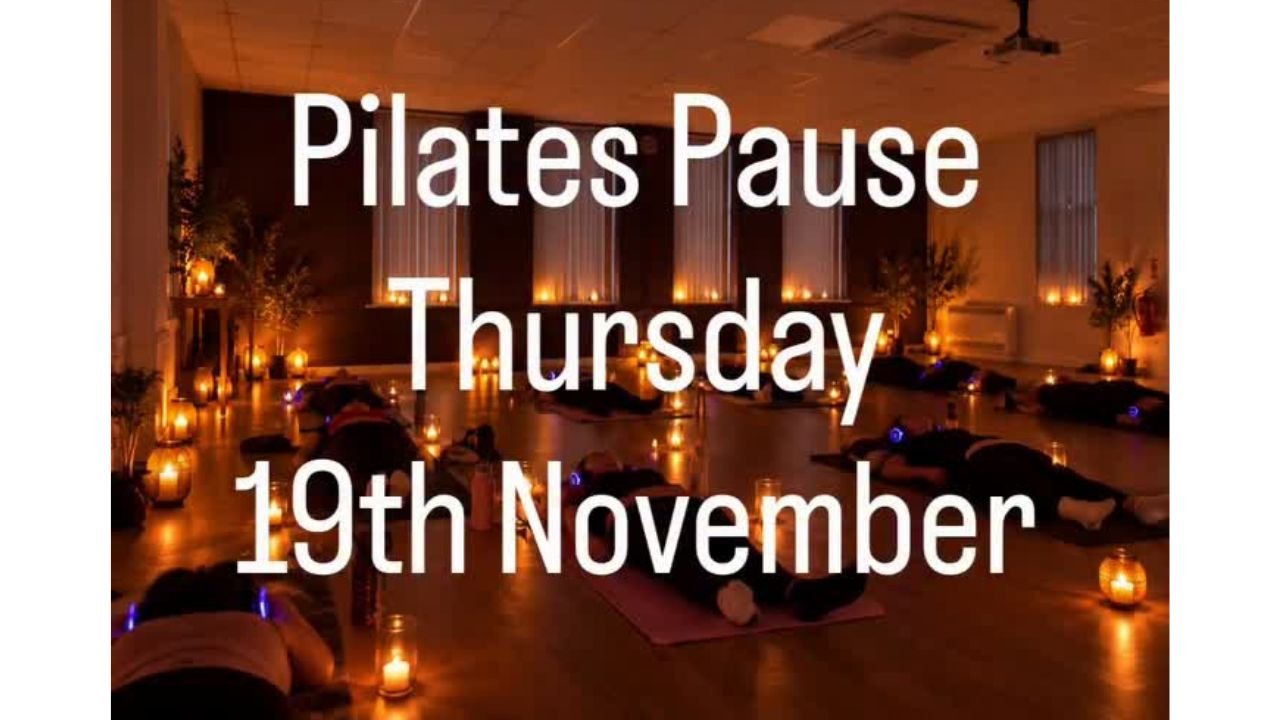
This is exactly the thinking behind my latest Serendipity Wellness® experience: The Pilates Pause.
I wanted to create something a little different.
An opportunity to step away from the noise of everyday life, leave the to-do list at the door and enjoy an hour dedicated to you.
Imagine candlelight, immersive silent disco headphones, gentle Pilates movement and time to breathe.
No pressure to perform. No expectations to achieve a particular result. No competition.
Just an opportunity to move, reconnect and enjoy a little breathing space.
It's about recognising that wellness isn't always about adding more to our routines.
Sometimes it's about creating space.
The Pilates Pause
Thursday 19th November 2026
7:15pm–8:15pm
Bulkington Community Centre
£15 per person
Spaces are limited, and I'd love you to join me.
Book your place at The Pilates Pause
A final thought: Make space for yourself
We talk a lot about exercise, nutrition, supplements, sleep and healthy habits.
All of these matter.
But perhaps we don't talk enough about the importance of simply stopping.
You don't have to fill every hour. You don't have to be productive every minute. And you certainly don't have to wait until you're exhausted to give yourself permission to rest.
Your body deserves movement.
Your body deserves recovery.
And you deserve a little time that belongs entirely to you.
Sometimes, the healthiest thing you can do is pause.
Tracy Richardson MSc
Founder of Serendipity Wellness®
Helping you move well, feel well and live well.
About Serendipity Wellness®
Serendipity Wellness provides Pilates classes, wellness coaching, women’s health support, and holistic wellbeing services across Warwickshire. Founded by Tracy Richardson, the business supports women through movement, mindfulness, midlife wellness, and community connection.
Share This post:
📩 Join The Refuel Newsletter
If you’d like tips, support and a weekly Pitstop to refuel, delivered without noise or trends… join The Refuel.
Each week, I share practical tools to help you move well, recover better, and support your body through change.
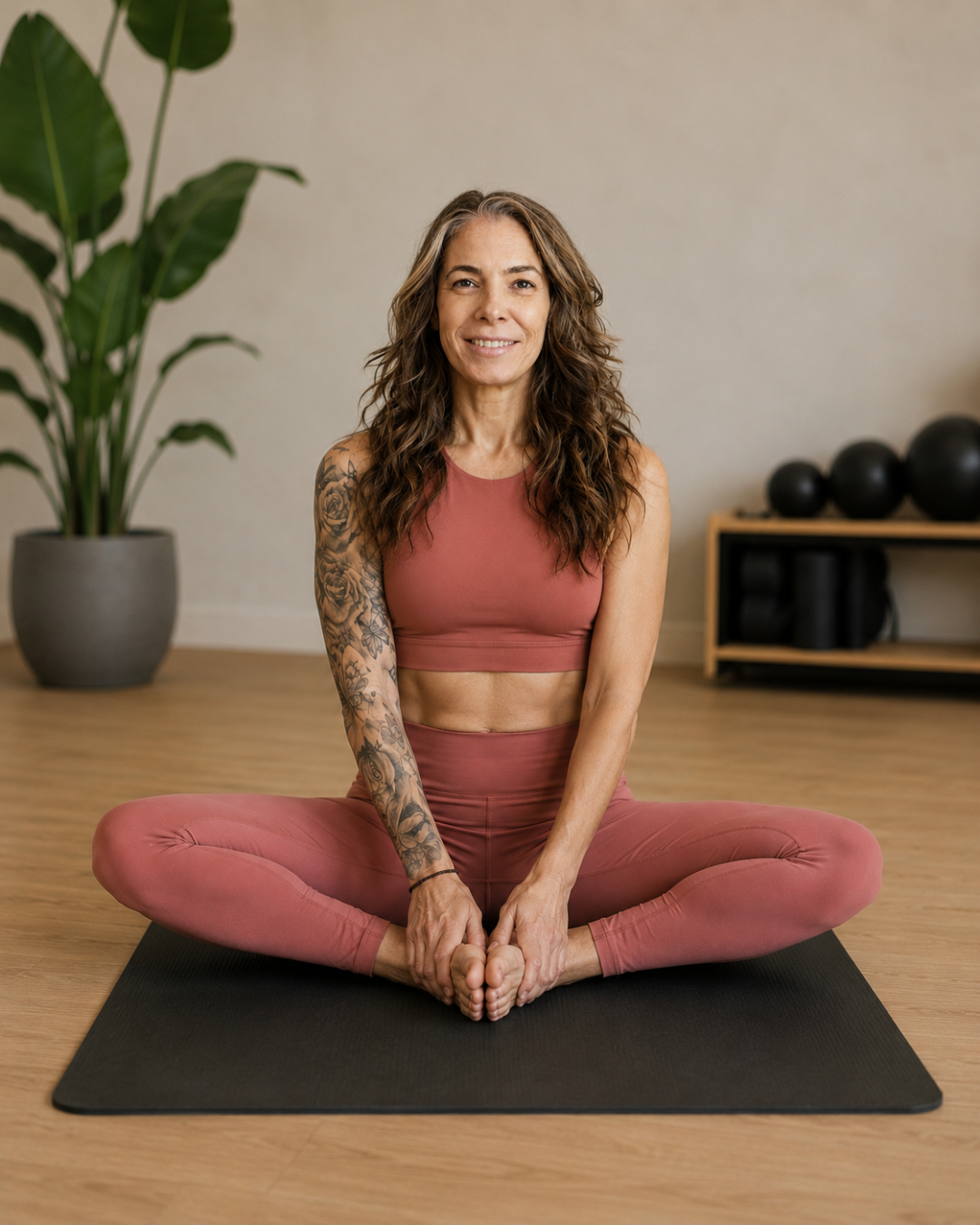
Tracy Richardson MSc is a movement and wellness specialist with a background in therapy, Pilates, and wellbeing, she combines evidence-based practice with a nurturing, mindful approach. Tracy’s mission is to empower individuals to move with awareness, release tension, and cultivate sustainable health, strength, and inner calm. When she’s not teaching or writing, you’ll often find her walking her dog, practising Pilates, or sipping a calming cup of tea.
